
49JILI | Exploring the World of Tabletop Games: A Dive into 49JILI
49JILI’s An in-depth exploration of the tabletop game 49JILI, highlighting its mechanics, design, and impact on the gaming industry.
Exploring the World of Tabletop Games: A Dive into 49JILI
Introduction to Tabletop Games
Tabletop games have been a centerpiece of social gatherings, providing entertainment and strategic engagement for friends and families alike. These games range from traditional board games like chess and Scrabble to modern role-playing games such as DnD (Dungeons and Dragons). In recent years, the variety and complexity of tabletop games have expanded, creating a vast world for enthusiasts and newcomers. Among these emerging options is the intriguing 49JILI.
What is 49JILI?
The game 49JILI is a captivating addition to the tabletop gaming scene, characterized by its unique mechanics and thematic depth. Unlike conventional games that rely heavily on chance, 49JILI emphasizes strategy and player interaction. This game, while relatively new, has started gaining traction among tabletop game lovers for its innovative approach and immersive gameplay experience.
Game Mechanics and Rules
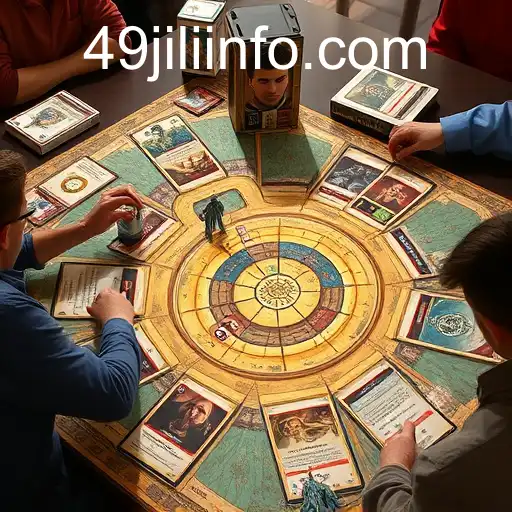
Understanding the mechanics of 49JILI is crucial for players who seek to master its challenges. The game is played with a set of intricately designed cards and a board that represents the game's universe. Each player selects a character with unique abilities, creating an initial setup phase that requires strategic foresight. Players must navigate through the board, making tactical decisions that affect their opponents and impact their chances of winning.
The game utilizes a point-based system where players earn points through various achievements — completing missions, overcoming challenges, or successfully predicting opponents' moves. Unlike many tabletop games where luck plays a significant role, 49JILI requires a deep understanding of tactics and foresight, providing a balanced and competitive environment.
Design and Thematic Elements
49JILI stands out not just for its gameplay mechanics but also for its design. The game features intricate illustrations and a rich narrative woven into its core. The thematic elements are inspired by fantasy lore, featuring mythical creatures and mystical landscapes, augmenting the immersive experience.
The artwork and design elements are not just aesthetic but functional, helping players engage more deeply with the game's universe. The board and cards are filled with symbolic imagery that ties into the game’s overarching narrative, encouraging players to explore and interact with the content thoughtfully.
Community and Social Interaction
One of the core elements of 49JILI and indeed all tabletop games is the community aspect. Tabletop games are inherently social, designed to bring players together. 49JILI capitalizes on this by encouraging cooperative and competitive play, allowing players to form alliances or engage in friendly rivalry.
Enthusiasts of 49JILI have formed robust communities both in person and online, sharing strategies, organizing tournaments, and creating fan content that enriches the universe of the game. These communities are crucial for both new and seasoned players, providing insights and fostering a shared passion for tabletop gaming.
Comparison with Traditional Tabletop Games
Comparing 49JILI to traditional tabletop games reveals interesting insights into the evolution of the genre. Traditional games often rely on set rules and simple mechanics, offering a straightforward gaming experience. 49JILI, however, pushes the boundaries by incorporating dynamic strategies and evolving gameplay that adjusts as the game progresses.
This dynamic nature challenges players to think on their feet and adapt to changes, a feature that many traditional games lack. Consequently, 49JILI attracts a diverse audience, from strategy enthusiasts looking for complex gameplay to casual players seeking a fresh experience.
Impact on the Tabletop Gaming Industry
The introduction and success of 49JILI demonstrate the potential for growth and innovation within the tabletop gaming industry. It highlights a shift towards games that offer both narrative depth and intricate gameplay mechanics, catering to the modern audience that craves engaging and stimulating entertainment.
As games like 49JILI continue to gain popularity, they pave the way for future innovations in the industry. Developers and publishers are likely to explore similar avenues, blending traditional gaming elements with modern technology and storytelling to captivate audiences worldwide.
Conclusion
While 49JILI is only a part of the vast landscape of tabletop games, it exemplifies how the genre is evolving. By balancing strategic depth with thematic richness, it offers a unique gaming experience that challenges traditional norms and invites players into a captivating world. As the community around 49JILI grows and inspires new developments, the tabletop gaming industry is set to keep expanding in exciting directions.
